How to Choose a Local SEO Agency in Australia: 9 Things That Actually Matter
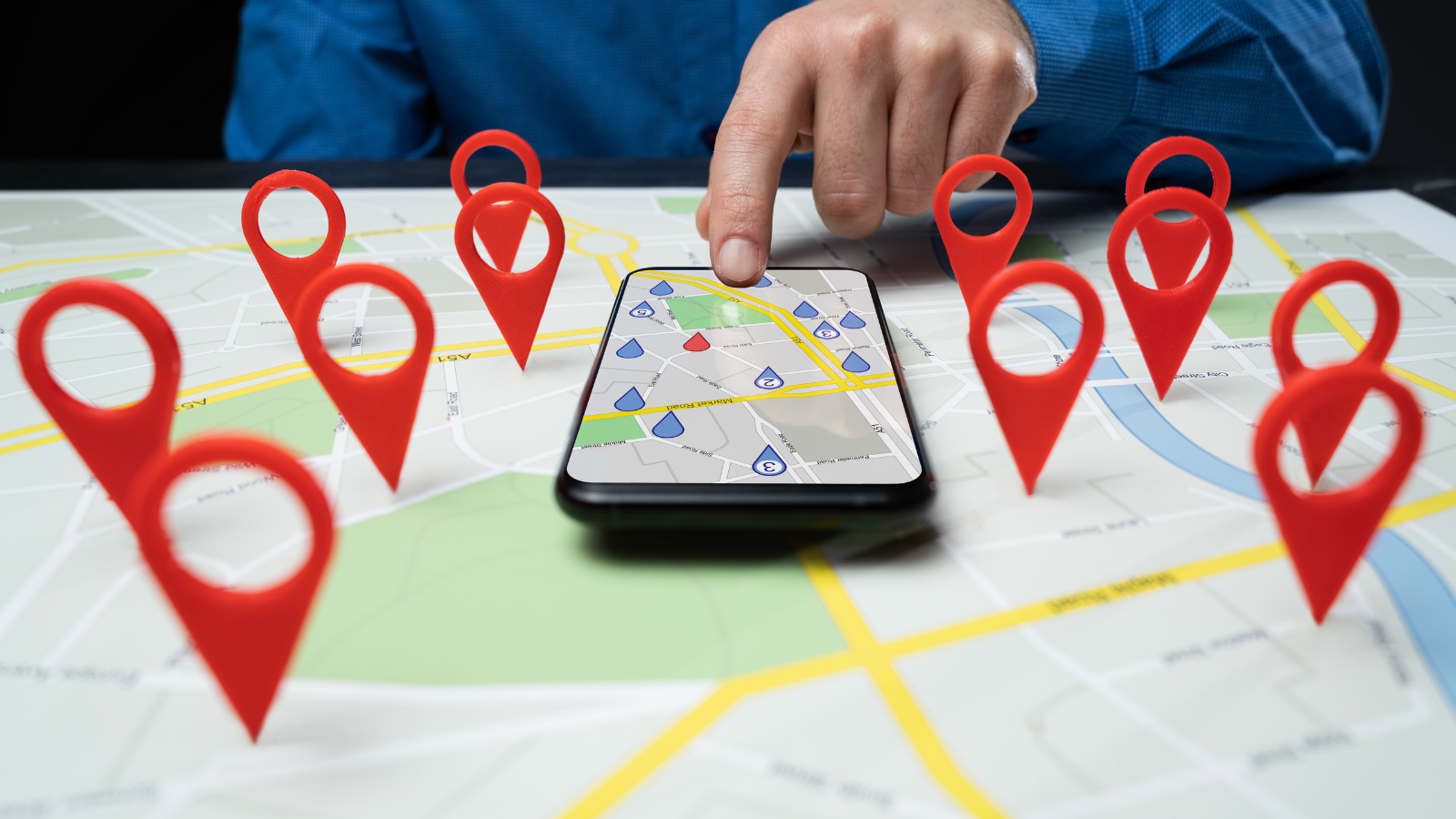
If you are searching for a local SEO agency in Australia, you have probably already discovered that almost every agency makes similar promises: better Google rankings, more website traffic, greater visibility and more leads.
The difficult part is working out which agency can actually deliver.
Local SEO is different from general search engine optimisation. A business that relies on customers from a particular suburb, city or service area needs to perform well not only in traditional Google search results, but also across Google Maps, local search results, Google Business Profile and “near me” searches.
For a dentist, physiotherapist, accountant, electrician, restaurant, legal practice, property business or other service-based company, strong local visibility can directly influence how many enquiries the business receives.
But choosing the wrong SEO provider can mean months of paying for reports without meaningful improvement.
Whether you found this article while researching a local SEO agency, comparing Australian SEO companies, or even searching terms such as SEO Agency in Australia UploadArticle, here are nine things that actually matter before you hire.
1. Does the Agency Understand Local Search Intent?
The first question is not whether the agency can find keywords.
It is whether they understand why people are searching for those keywords.
Consider the difference between:
- “what is acupuncture?”
- “fertility acupuncture”
- “fertility acupuncture Sydney”
- “fertility acupuncture near me”
These searches represent very different stages of the customer journey.
Someone searching a general informational phrase may simply want an answer. Someone searching a service combined with a suburb, city or “near me” phrase is much more likely to be looking for a provider.
A good local SEO agency should therefore distinguish between informational, navigational and commercial search intent.
Your SEO strategy should prioritise keywords that have the potential to generate real customers, rather than simply chasing the largest search volumes.
Ask the agency:
Which keywords would you target first, and why?
A strong answer should connect keyword selection with your services, geographic market, competition and potential customer behaviour.
2. Can They Properly Optimise Your Google Business Profile?
For many local businesses, a website is only part of the SEO equation.
Your Google Business Profile can be one of your most important digital assets because it can appear when potential customers search through Google Search and Google Maps.
A comprehensive local SEO strategy should consider elements such as:
- Primary and secondary business categories
- Business description
- Services
- Opening hours
- Address or service area
- Photos
- Business attributes
- Reviews
- Questions and answers
- Relevant landing-page links
- Consistency of business information
Simply creating a Google Business Profile is not enough.
The information needs to accurately represent the business and reinforce the services and locations communicated on your website.
For example, if you are a physiotherapy clinic specialising in sports rehabilitation, your website, Google Business Profile, service pages and supporting content should consistently communicate that expertise.
When choosing a local SEO company in Australia, ask exactly how the agency approaches Google Business Profile optimisation.
If the answer is simply “we will add more keywords”, that should be a warning sign.
3. Do They Understand Google Maps and Local Pack Rankings?
Traditional organic rankings and local search rankings overlap, but they are not exactly the same.
A local business may rank well organically while struggling to appear prominently in Google Maps. The opposite can also happen.
A capable local SEO agency should understand both.
Local visibility can be influenced by factors including:
- Geographic relevance
- Business information
- Website authority
- Google reviews
- Local citations
- Links
- Service relevance
- Location signals
- On-page optimisation
- Overall online prominence
This means a genuine local SEO campaign should extend beyond changing a few meta titles.
The agency should examine your broader local search ecosystem.
Ask whether they monitor your visibility for different suburbs and geographic areas rather than simply checking rankings from one location.
This matters because local search results can vary substantially depending on where the person conducting the search is located.
For businesses targeting multiple suburbs or service areas, understanding this geographic variation is essential.
4. Can They Build Good Location and Service-Area Pages?
Location pages are frequently handled badly.
Some SEO providers create dozens of nearly identical pages and simply replace one suburb name with another.
For example:
Plumber Adelaide Plumber North Adelaide Plumber Norwood Plumber Unley
If every page contains almost exactly the same information, the pages provide very little additional value to users.
A better approach is to create genuinely useful location landing pages.
Depending on the business, these can include:
- Services available in the area
- Specific customer needs
- Local project examples
- Relevant FAQs
- Service coverage
- Testimonials
- Directions or accessibility information
- Nearby suburbs
- Local experience
- Unique calls to action
Good location-page SEO combines local keywords, user intent and useful content.
The objective should not be to manufacture hundreds of pages.
It should be to create pages that genuinely deserve to appear when somebody searches for your service in that location.
A professional local SEO agency should be able to explain when a dedicated location page is justified — and when it is not.
5. How Do They Handle Reviews and Local Citations?
Reviews matter because they influence more than SEO.
They also influence people.
Imagine finding two businesses in Google Maps.
One has a large number of recent, detailed reviews and thoughtful responses from the business owner.
The other has very few reviews and has not responded to customers for several years.
Even before visiting either website, many potential customers will already have formed an impression.
A good local SEO strategy should therefore include an ethical process for generating and managing genuine customer reviews.
The agency should never suggest fake reviews.
It should instead help you develop a sustainable review process and optimise how the business responds to customer feedback.
Local citations are another consideration.
Your business name, address and phone information should remain reasonably consistent across relevant online directories, industry platforms and business listings.
The objective is not to submit the business to hundreds of random directories.
Quality and relevance are more important.
Ask the agency how it decides which citation opportunities are actually worthwhile.
6. Do They Track Calls, Leads and Conversions — Not Just Rankings?
One of the biggest differences between average SEO and commercially focused SEO is measurement.
Suppose your agency tells you:
“Your organic traffic increased by 40%.”
That sounds good.
But what happened to enquiries?
Did telephone calls increase?
Did customers complete contact forms?
Did appointment bookings increase?
Did organic search generate additional revenue?
Traffic and rankings are useful metrics, but they should not exist in isolation.
Depending on the business, a proper local SEO reporting framework may include:
- Organic traffic
- Google Search Console impressions
- Keyword rankings
- Google Maps visibility
- Calls
- Contact-form submissions
- Appointment bookings
- Direction requests
- Landing-page conversions
- Organic leads
Your agency should be able to explain the relationship between search visibility and business performance.
At wow digital, we believe SEO reporting should help clients understand what is improving, what still needs work and what actions should happen next.
A report should support decision-making — not simply provide pages of graphs.
7. Do They Understand Local Schema and On-Page SEO?
Local SEO still relies heavily on strong website fundamentals.
Even an excellent Google Business Profile cannot compensate for a poorly structured website indefinitely.
Your agency should therefore understand on-page SEO as well as local optimisation.
Important areas can include:
- Page titles
- Meta descriptions
- Heading structure
- Internal linking
- Image optimisation
- Service-page content
- URL structure
- Local keyword placement
- Mobile usability
- Page speed
- Structured data
- LocalBusiness schema
Schema markup helps search engines interpret structured information about a website and business.
However, schema is not a magic ranking button.
It should complement a well-organised website with clear information about the company's services, location and expertise.
Likewise, on-page SEO should not mean repeating phrases such as local SEO agency Australia twenty times.
Modern SEO requires natural language, semantic relevance and complete topical coverage.
Related concepts may include local search optimisation, Google Maps SEO, Google Business Profile management, local citations, organic visibility, location pages, search intent and local rankings.
These contextual relationships help create stronger, more useful content.
8. Are They Thinking About GEO and AI Search Visibility?
Search is changing.
Consumers can now discover businesses not only through traditional Google results but also through AI-powered search experiences and conversational platforms.
This has increased interest in Generative Engine Optimisation, or GEO.
Traditional SEO remains important, but businesses increasingly need online information that machines can clearly understand and interpret.
That means maintaining:
- Clear brand information
- Well-structured service pages
- Strong topical relevance
- Consistent business information
- Useful FAQ content
- Structured data
- Authoritative references
- Original expertise
- Clear relationships between services and locations
Think of it this way.
Traditional SEO asks:
“Can this page rank?”
GEO adds another question:
“Can search and AI systems confidently understand what this business does and when it is relevant?”
At wow digital, our approach considers both established SEO practices and the changing way people discover information through AI-assisted search.
When interviewing an SEO provider, ask how its strategy is evolving.
You do not need an agency chasing every new trend, but you do want one that understands that search behaviour is changing.
9. Can They Demonstrate Business Results Rather Than Just Rankings?
Finally, ask the most important question:
What does success actually look like?
An SEO agency may show you hundreds of ranking keywords.
But look more closely.
Are those keywords relevant?
Do they have commercial value?
Are they bringing potential customers into the website?
Are users taking action?
Good SEO should contribute to measurable business outcomes.
The exact objective will vary by industry.
A healthcare clinic may want more appointment enquiries.
A trades business may want more local telephone calls.
A professional services firm may want qualified consultation requests.
An eCommerce store may care more about organic transactions and revenue.
That is why SEO strategy should never be identical for every client.
At wow digital, we work with businesses across different industries and develop strategies around their specific markets, customers and commercial objectives.
Our focus includes high standards in on-page SEO, local SEO and GEO, with the aim of building sustainable organic visibility rather than chasing meaningless metrics.
Red Flags When Choosing a Local SEO Agency
Before signing a contract, be cautious if an agency:
- Guarantees the number-one position on Google
- Cannot explain what work it will actually perform
- Focuses entirely on backlinks
- Creates hundreds of low-quality location pages
- Reports only rankings without conversions
- Uses exactly the same strategy for every client
- Avoids giving you access to analytics or reporting
- Promises dramatic results almost immediately
SEO contains many variables, and no legitimate agency controls Google's search results.
What an experienced agency can control is the quality of the strategy, execution, analysis and continuous optimisation.
Choosing the Right Local SEO Agency in Australia
Finding the right local SEO agency in Australia should not be about choosing whoever makes the biggest promises.
Look for an agency that understands your customers.
Look for an agency that understands your location.
Look for an agency that can connect Google Business Profile optimisation, Google Maps SEO, on-page SEO, location pages, reviews, local citations, technical SEO and conversion tracking into one coherent strategy.
Most importantly, choose a partner that views SEO as a business-growth channel rather than simply a ranking exercise.
Whether you came here after searching for a local SEO agency, an SEO agency in Australia, or terms such as SEO Agency in Australia UploadArticle, the principle is the same:
Do not hire based on promises.
Hire based on strategy, transparency and relevance.
Grow Your Local Search Visibility with wow digital
At wow digital, we understand that businesses in different industries require different SEO strategies.
A healthcare provider should not receive exactly the same strategy as an eCommerce store, professional services firm or local trades business.
Our approach combines on-page SEO, local SEO, content optimisation and GEO to help businesses strengthen their visibility across both traditional and emerging search environments.
If you want to improve your local search presence, strengthen your Google visibility and build a more sustainable organic growth strategy, visit:
The objective is not simply to be visible.
It is to be visible when the right customer is searching.